

Existing Systems
Radon System Repair & Fan Replacement in Cincinnati
Fans fail, sump lids get lifted and never resealed, and additions change what is happening under the floor. Finding out which of those it is comes before replacing anything.
Signs Your Radon System Needs Repair
The gauge on the pipe is the first place to look. That U-shaped tube with coloured liquid in it, the manometer, should sit with the two columns at different heights. If they have levelled out, the system is no longer pulling, and that is true whether or not you can hear the fan running.
The other signals are less obvious. A fan that has become noticeably louder is usually a bearing on its way out. A fan that has gone silent has often simply stopped. And a house that tested well after installation can drift upward years later without anything visibly changing, which is why the schedule matters as much as the symptoms.
When Radon Fan Replacement Is the Right Fix
This is the part the internet skips. There is a great deal of content about swapping a radon fan and very little about establishing whether the fan is what failed.
A system can stop performing while its fan runs perfectly. A sump lid opened during plumbing work and never resealed will do it. So will a seal that has failed at the slab, a pipe joint that has come apart in an attic run, or an extension built onto the house that changed the pressure picture underneath it. Fit a new fan to any of those and you have bought a quieter version of the same problem.
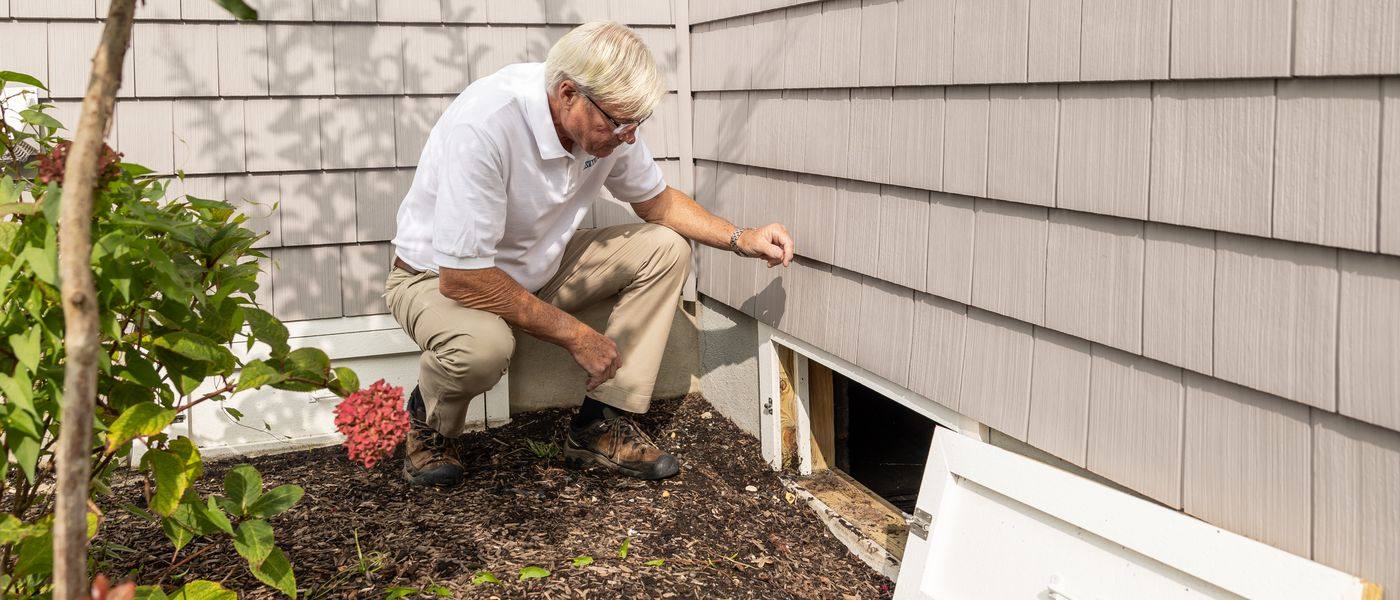
So we measure first: check the gauge under load, confirm suction at the pipe, look at the seals and the sump, and only then decide whether the fan is the thing to replace.
Systems somebody else installed
We work on other companies' installations regularly, and on systems whose original installer is long gone. It is a common situation for anyone who bought a house that already had one.
What gets checked is the same either way: whether the suction point actually reaches the material below the slab, whether the run is sealed at every floor it passes through, whether the fan is sized for what the house needs rather than what was on the van, and whether the discharge terminates somewhere sensible relative to windows and the roofline.
The retest is the part that matters
Any repair ends with a measurement. Without one you have a fan that spins and no evidence about the thing you actually care about, which is the level in the house.
It is also worth retesting on a schedule rather than waiting for a symptom, because the failure mode here is silent. Every couple of years, and again any time a fan is replaced, is a reasonable rhythm.
When replacing beats repairing
Sometimes the honest answer is that the original design was never going to work. A single suction point on a slab that needed two will underperform for its whole life no matter how healthy the fan is, and no amount of servicing changes that.
Where that is what we find, we will tell you, explain what the house actually needs, and let you decide. It is a longer conversation than selling a fan, and it is the one worth having.
What a system check covers
- Manometer reading taken under load
- Suction confirmed at the pipe, not assumed
- Sump lid and slab seals inspected
- Pipe run checked for separated joints
- Fan sizing assessed against the house
- Discharge point checked against windows and roofline
- Honest verdict on repair versus redesign
- A confirming test once the work is done
Find out where your home actually stands
Describe the house and we will put a written figure to it. No deposit, no pressure, and no obligation to go ahead.