

Radon Testing
Professional Radon Testing in Cincinnati, OH
What a continuous monitor measures, how the EPA's thresholds translate to a real decision, and when a test is worth repeating.
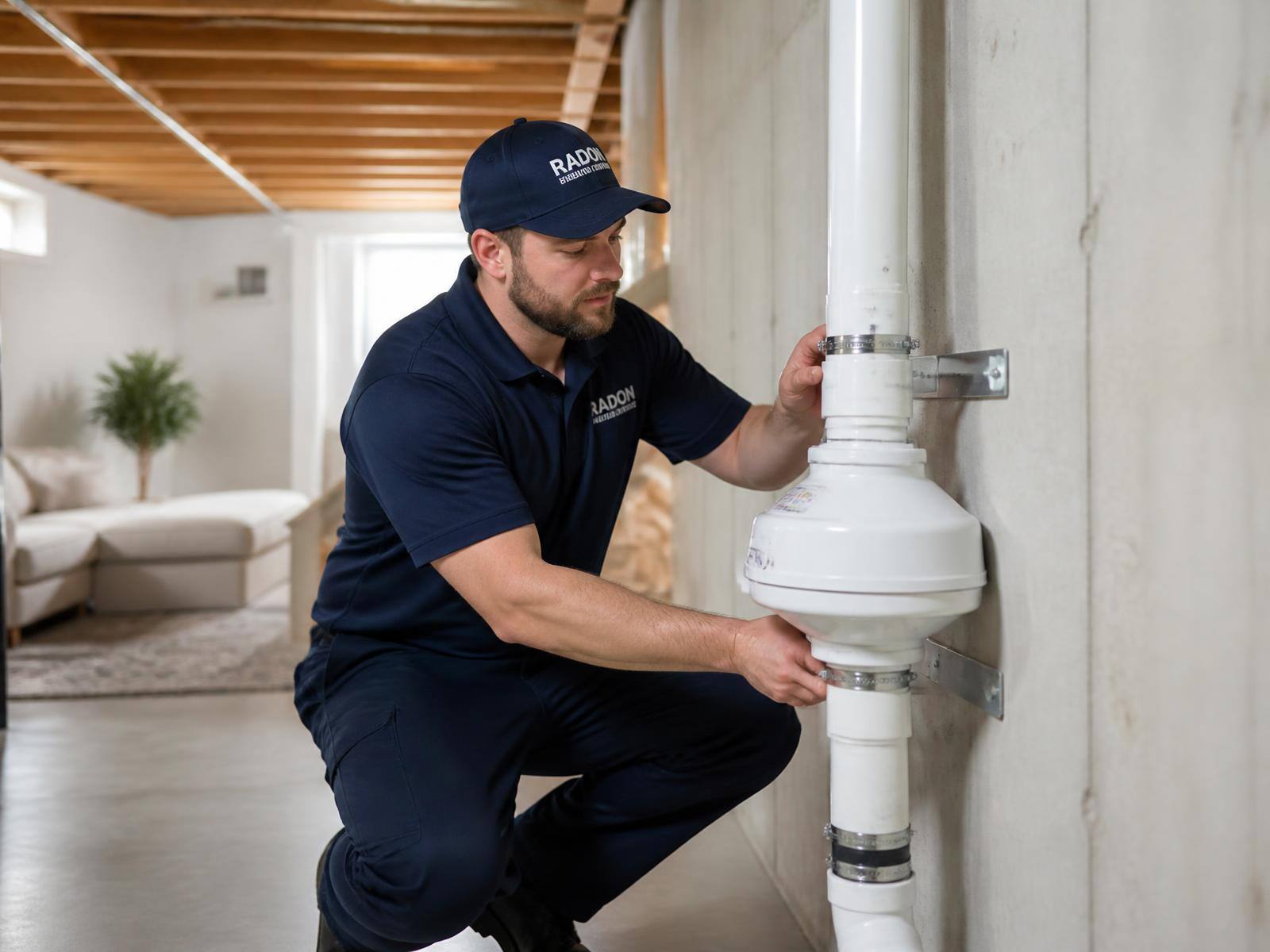
How Professional Radon Testing Works
A calibrated monitor goes in the lowest livable level of the house and runs for at least 48 hours with the building kept closed. Because it logs every hour rather than producing one averaged figure, the record shows how the level moves overnight, as weather shifts, and as heating or cooling cycles. A charcoal kit from a hardware store returns a single number with none of that behind it, which is fine as a rough screen and thin as a basis for spending money.
Where the decision is not urgent, a long-term test averaging 90 days or more gives the most representative picture of what a household is genuinely exposed to. That is the better instrument when you are weighing up whether to finish a basement, and the short test is the right one when a deadline is driving the question.
How to Read Your Radon Test Results
The report gives you an average in picocuries per liter, the hourly readings underneath it, the conditions the test ran in, and a plain explanation of what the figure means. At or above 4.0 pCi/L the EPA recommends fixing the house. Between 2.0 and 4.0 there is a genuine judgment to make, and it turns largely on how the lower level is used: a storage basement and a bedroom are different exposures at the same reading.
Below that, the sensible answer is usually to do nothing and test again in a couple of years. We will say so when that is the case. A referral from someone we talked out of a system is worth more than the system would have been.
Fitting a test into a short inspection period
Inspection periods do not leave much room, which is why we keep slots open each week for homes under contract. The device runs its 48 hours, gets collected, and the result goes out that same day, leaving time to negotiate instead of time to request an extension.
For a buyer that means an independent figure, and someone explaining it, before anything gets waived. For sellers and agents, testing ahead of listing takes a late shock out of the process entirely, and if a system does turn out to be warranted, a documented installation is a routine disclosure rather than a reopened negotiation.
Testing after a system goes in
Every system we install gets a confirming test afterward. That record matters at a closing, and it matters again a couple of years later when somebody wants to know whether the fan on the side of the house is achieving anything at all.
We also test houses with systems somebody else installed, which is worth doing more often than people realize. Fans have a service life and eventually stop, sump lids get lifted during plumbing work and not resealed, and an addition can change what is happening under the floor without anyone connecting the two.
What's included
- Calibrated continuous monitor, not a mail-in kit
- 48 hours minimum under EPA closed-house conditions
- Hourly readings plus a written interpretation
- Long-term testing over 90 days where it suits better
- Confirming tests after a system is installed
- Turnaround built around inspection deadlines
Find out where your home actually stands
Describe the house and we will put a written figure to it. No deposit, no pressure, and no obligation to go ahead.