

Blog
Cincinnati Radon Solutions Blog
Radon testing, mitigation and health guides for Cincinnati and Northern Kentucky homeowners.
· 12 min read
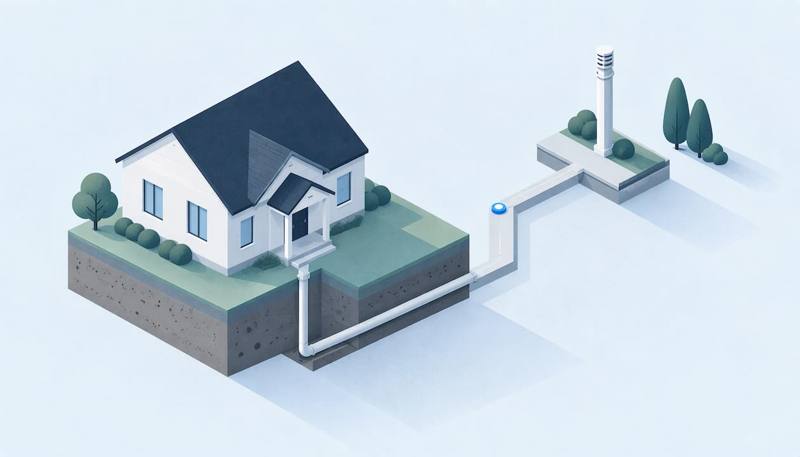
Radon System Alarm Beeping: What It Means and What to Do
A beeping radon system alarm means the system may have lost suction. Learn what triggers it, what to check safely, when to call a pro, and how to stay safe.
Read article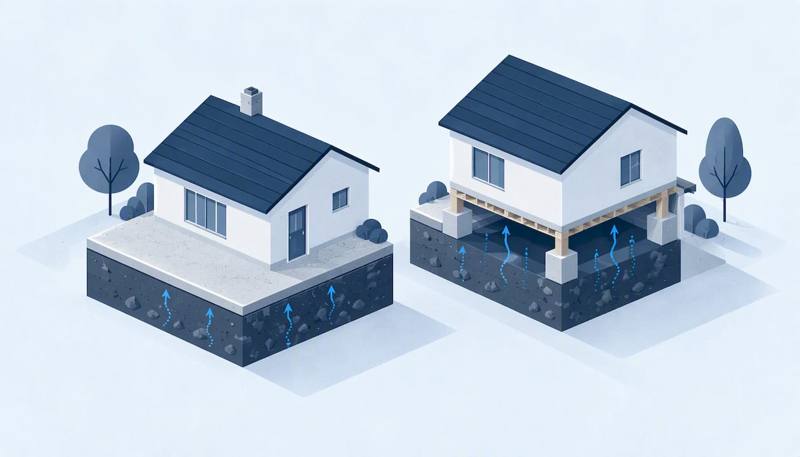
· 10 min read
Radon Without a Basement: Slab and Crawlspace Homes
Yes, homes without basements can have high radon. Learn how it enters slab and crawlspace homes, when to test, and how mitigation works for each.
Read article
· 13 min read
How to Hide a Radon Pipe Without Hurting the System
Want to hide or paint a radon pipe? See what you can do outside and inside, what must stay clear, and when to call a pro before you change anything.
Read article
· 11 min read
ANSI/AARST Radon Standards: What Each One Covers
A plain guide to ANSI/AARST radon standards: which one covers testing, mitigation and new construction, whether they're required, and what to ask a contractor.
Read article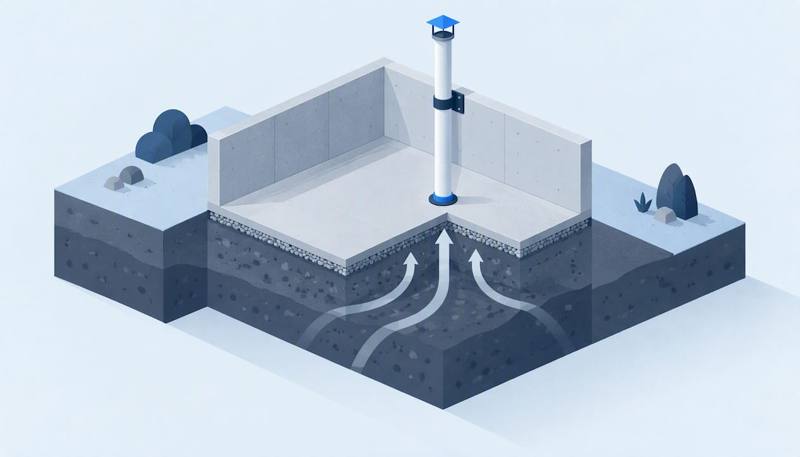
· 12 min read
Radon in Basements: Why It Collects There and How to Fix It
Why radon concentrates in basements, how to test, and how a mitigation system works, including sump pit sealing and covers, for Cincinnati-area homeowners.
Read article
· 10 min read
How to Fix High Radon in Your Home: Steps and Results
Got a high radon result? Learn the retest rules, how a mitigation system lowers radon, what levels to expect afterward, and what to do if it stays high.
Read article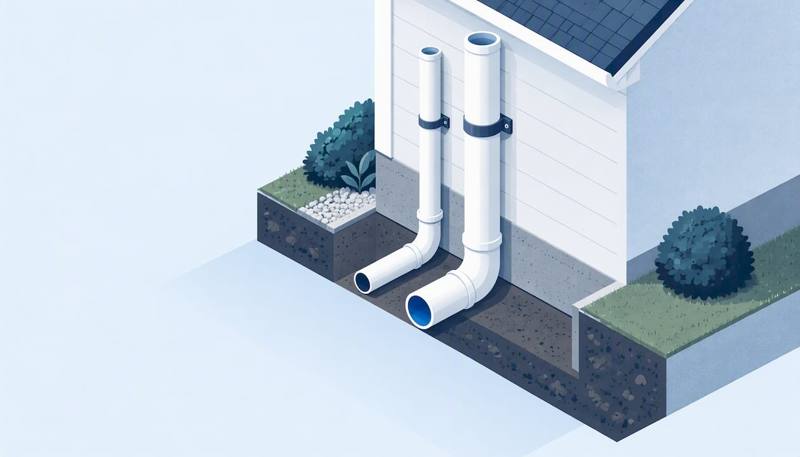
· 12 min read
Radon Pipe Size: When 3-Inch Is Enough and When to Use 4-Inch
Most radon systems use 3- or 4-inch Schedule 40 PVC. See what the standard requires, when 4-inch pays off, and how slope, routing and termination affect the result.
Read article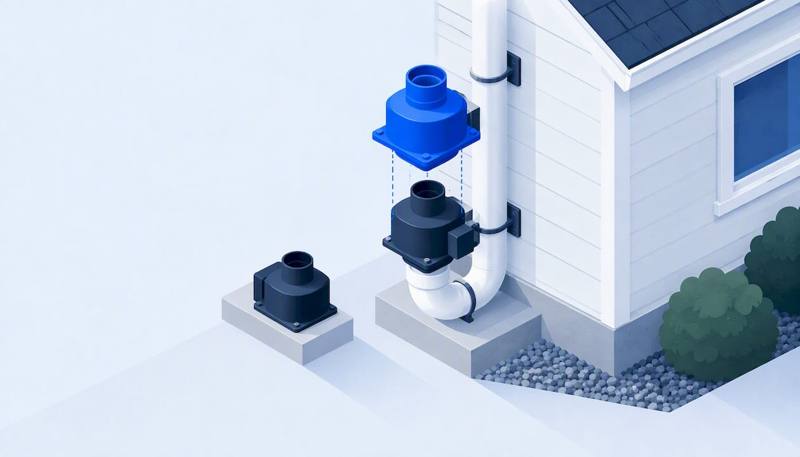
· 11 min read
Radon Fan Replacement: Cost, Signs, and When to Call a Pro
Radon fan replacement explained: how long fans last, what it costs ($200 to $350 per EPA), how to choose a match, and when to hire a pro in Cincinnati.
Read article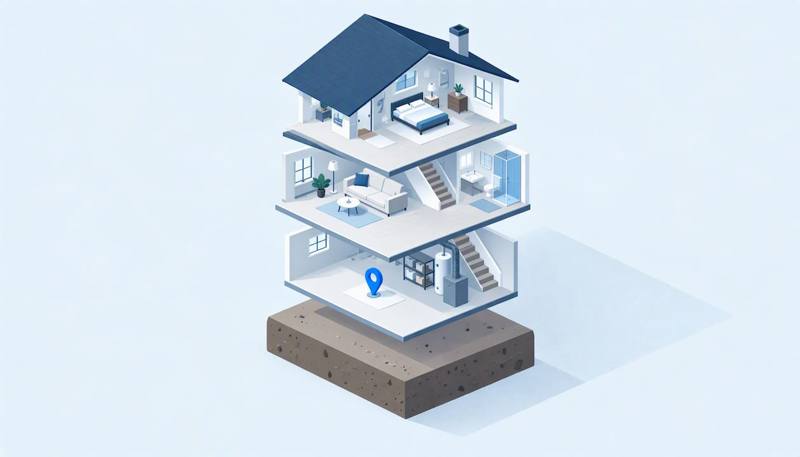
· 14 min read
Radon Test Placement: Where to Put Your Test in the Home
Where to place a radon test or monitor: which level, how high, how far from windows and walls, and which spots to avoid, based on the ANSI/AARST standard.
Read article
· 11 min read
Radon in Schools: Risks, Testing and Ohio Rules
What radon in schools means for students and staff, how EPA says to test classrooms, what a 4 pCi/L result means, and where Ohio's rules and proposed law stand.
Read article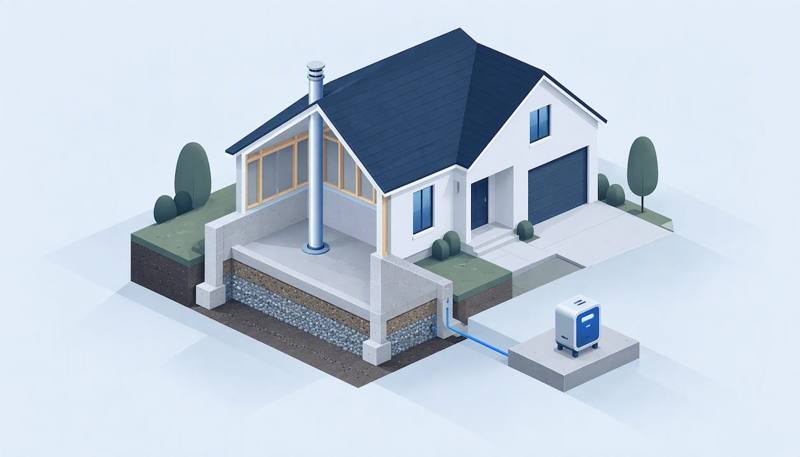
· 11 min read
New Construction Radon Testing: When, How and What to Do
Radon-resistant features don't replace a test. Learn when to test a new home, how slab-on-grade testing works, what 4 pCi/L means and what to do if it's high.
Read article
· 9 min read
Radon in Condos: Risk, Testing, and Who Fixes It
Radon in condos is real, even above the ground floor. Learn how to test a unit, read results, and work with your association on mitigation in Cincinnati.
Read article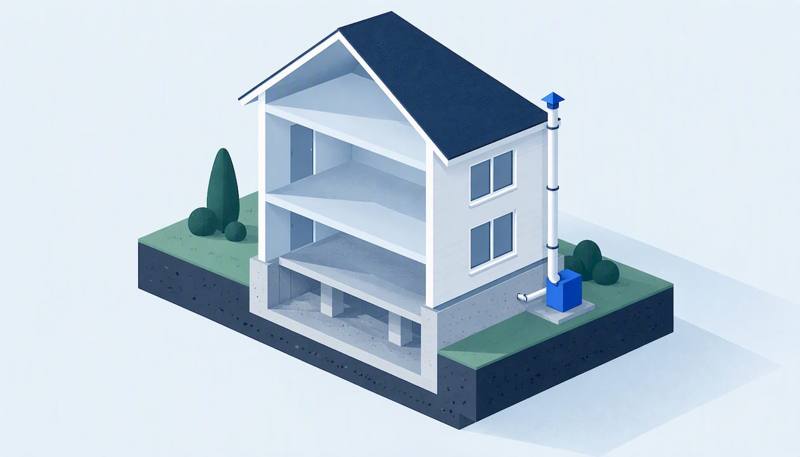
· 12 min read
Radon Fan Location: Where It Goes and Where It Never Should
Where should a radon fan go? Learn the approved spots (attic, garage, exterior), why basements fail, and what to check on your system in Cincinnati.
Read article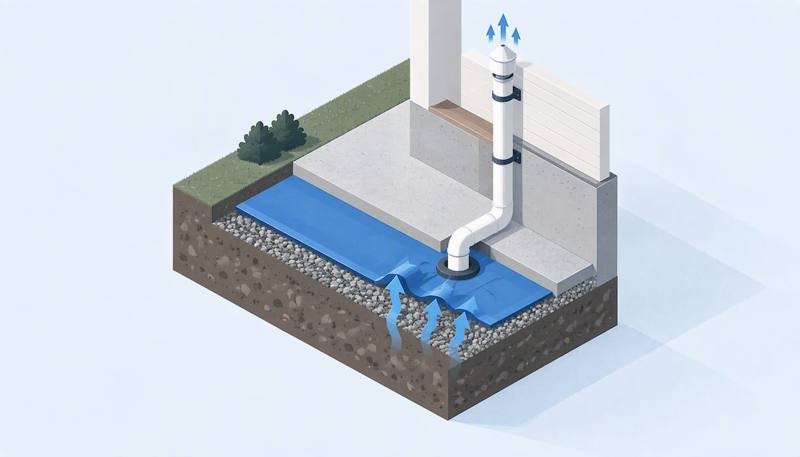
· 10 min read
Radon Vapor Barrier: What It Does and What It Can't
A vapor barrier alone won't fix radon. Learn how sealed membranes work with sub-membrane depressurization, what to ask a contractor, and when to test.
Read article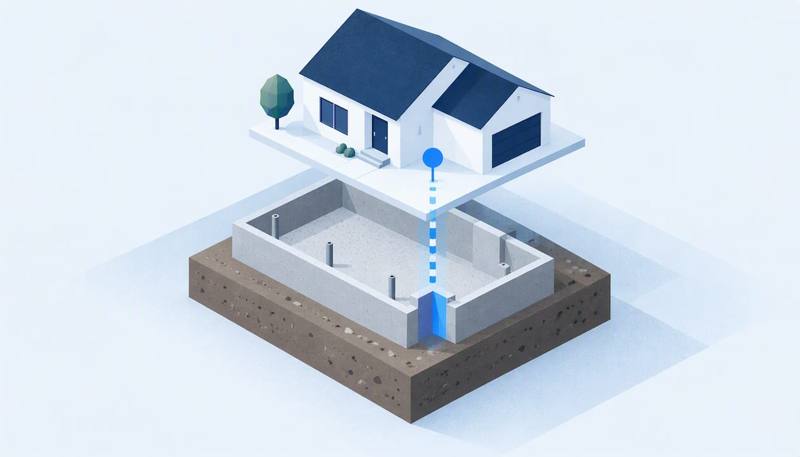
· 12 min read
Radon in New Homes: Why Test a Brand-New House
New homes can have radon too. Learn how radon-resistant construction works, why passive systems still need testing, and what to do if a new house tests high.
Read article
· 10 min read
Who Pays for Radon Mitigation? Owners, Buyers and Sellers
Who pays for radon mitigation? Usually the owner. Learn how buyers and sellers split the cost, what insurance covers, and how 203(k) loans can help.
Read article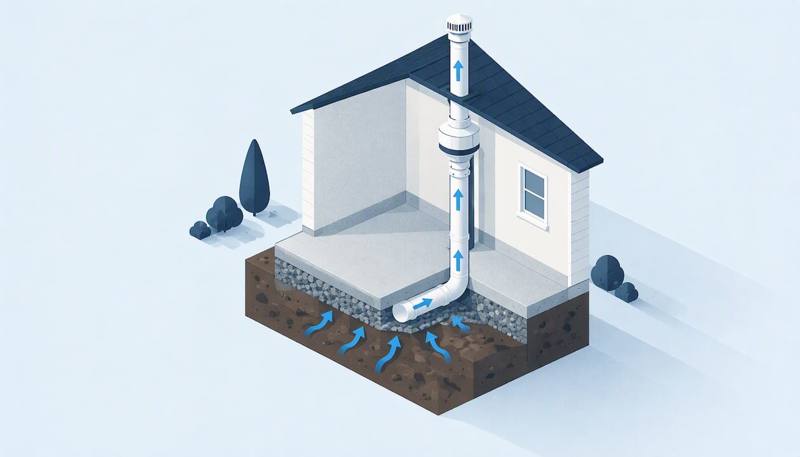
· 12 min read
Radon Mitigation Methods: How Each System Works and Fits
Compare radon mitigation methods: sub-slab, drain-tile, sub-membrane and block-wall suction, plus what sealing can and can't do in Cincinnati homes.
Read article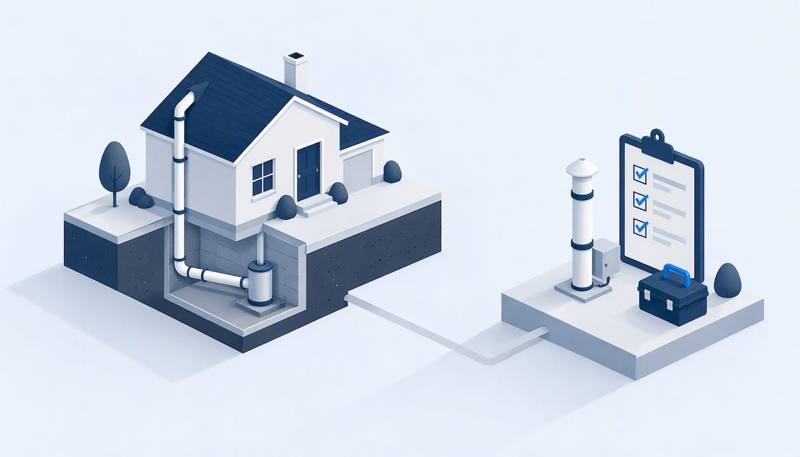
· 10 min read
Radon System Maintenance: What to Check and When
Radon system maintenance is simple: read the gauge, listen to the fan, retest every two years. Learn the checks, costs and when to call a pro in Cincinnati.
Read article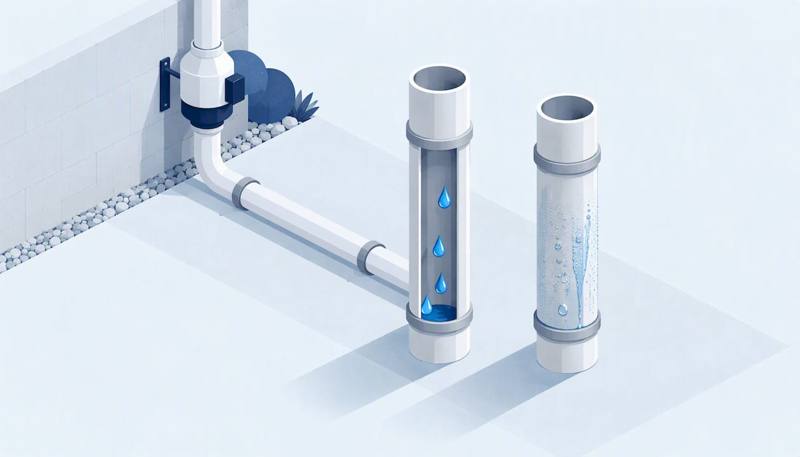
· 12 min read
Radon Pipe Condensation: What's Normal and What Needs Fixing
Water, sweating or ice on your radon pipe? Learn what condensation is normal, which signs mean a slope or freezing problem, and when to call a pro.
Read article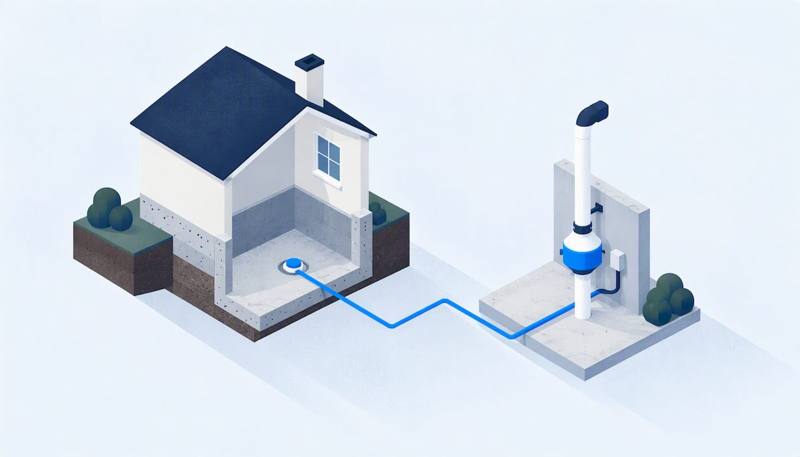
· 7 min read
Radon System Design for Cincinnati Homes Starts With Foundation Tests
See how foundation type, diagnostic tests, and soil conditions shape radon system design for Cincinnati homes, with guidance on verification and fixed quotes.
Read article
· 7 min read
Radon Contingency Clauses: Buyers and Sellers Face the 4 pCi/L Line
See how U.S. buyers and sellers use radon contingencies, follow testing protocols, and negotiate mitigation, credits, or waivers under EPA thresholds.
Read article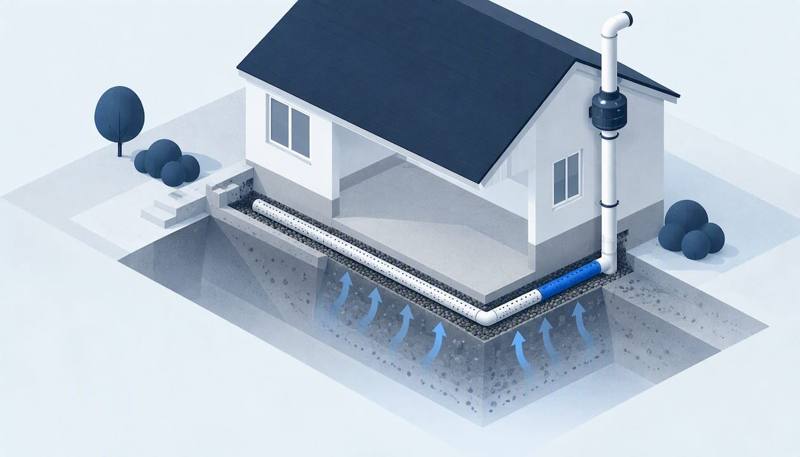
· 9 min read
Drain Tile Depressurization: Homeowners Need More Than a Running Fan
See how drain tile depressurization uses a sump or remote tap, why pressure field diagnostics matter, and what homeowners should confirm after installation.
Read article
· 9 min read
Radon Mitigation Not Working? Homeowners Can Run 8 Checks First
High radon after mitigation? Homeowners can check test conditions, fan power, pressure, and piping, then learn when to call a professional for verification.
Read article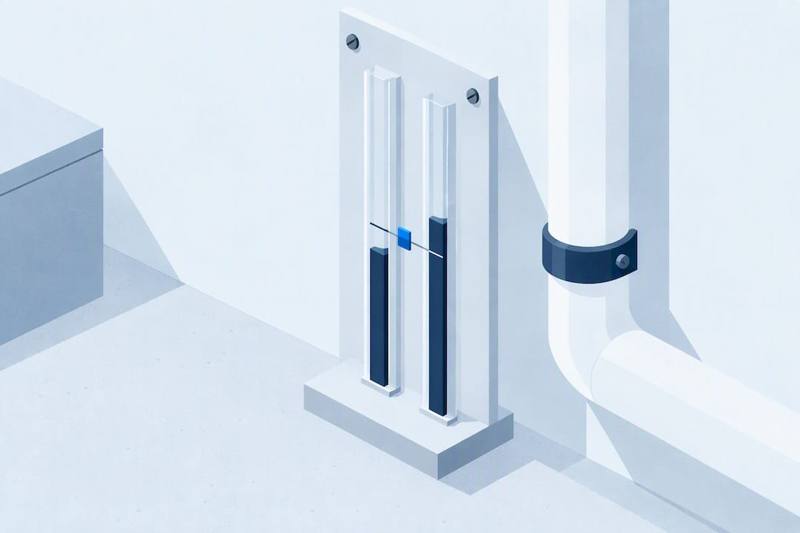
· 11 min read
Radon System Manometer: The 5-Minute Zeroing Check Homeowners Miss
Learn to read a radon system manometer, reset it with the fan off, spot warning signs, and know when to seek professional testing or repair.
Read article
· 8 min read
Commercial Radon Mitigation at 4 pCi/L With Less Disruption
See when commercial buildings need radon mitigation, how EPA’s 4 pCi/L guideline applies, and how facility managers can limit HVAC disruption.
Read article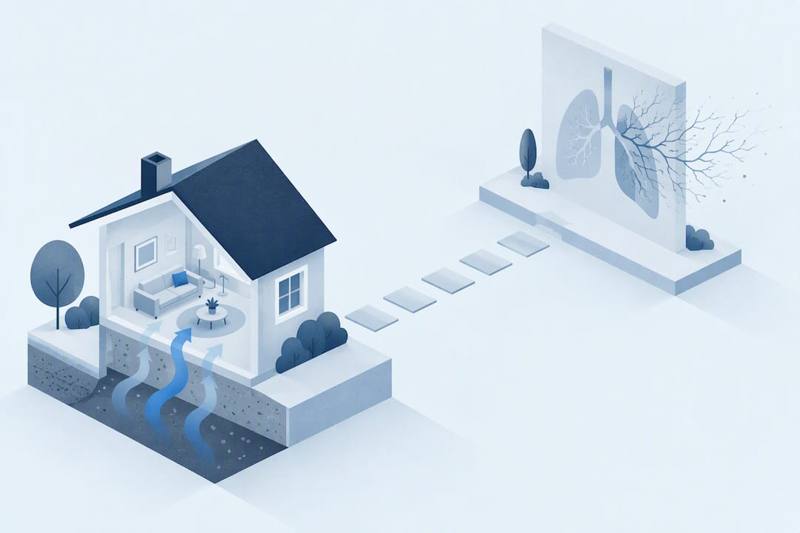
· 8 min read
Radon Exposure Symptoms: Cancer Can Take 5 to 25 Years to Develop
Radon exposure has no immediate symptoms; lung cancer signs can emerge years later. Learn what to watch for, when to seek care, and why home testing matters.
Read article
· 8 min read
Radon Test Duration for Homeowners: Why 48 Hours May Not Be Enough
Learn radon test timelines, the EPA minimum of 48 hours, closed house conditions, and when to choose a longer or professional test for a clearer result.
Read article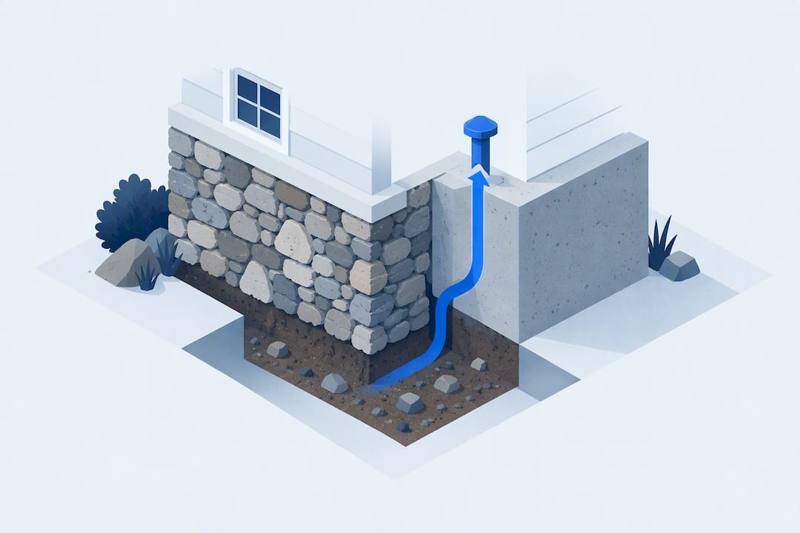
· 9 min read
Radon in Old Homes: Fieldstone, Dirt Floors, and Expert Fixes
Learn how fieldstone foundations, dirt cellars, and joined additions affect radon in old homes, when to test, and how to verify professional mitigation.
Read article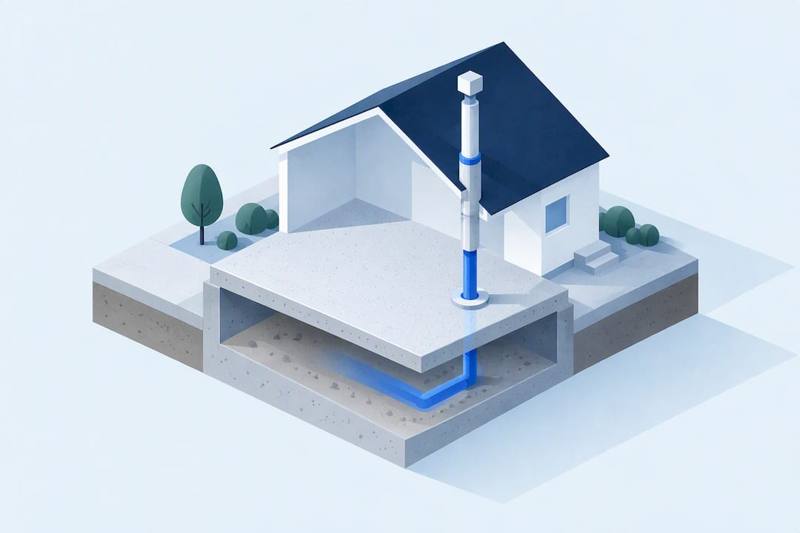
· 7 min read
Subslab Depressurization: Homeowners and Pros Must Check Test Results
Learn how subslab depressurization works, assess proposals for ANSI/AARST certified installations, and confirm performance through postinstallation testing.
Read article
· 11 min read
At 4 pCi/L, Homeowners Should Confirm Radon Test Results First
Learn what radon test results below 2, from 2 to 3.9, or at least 4 pCi/L mean, when to retest, and how homeowners confirm readings before mitigation.
Read article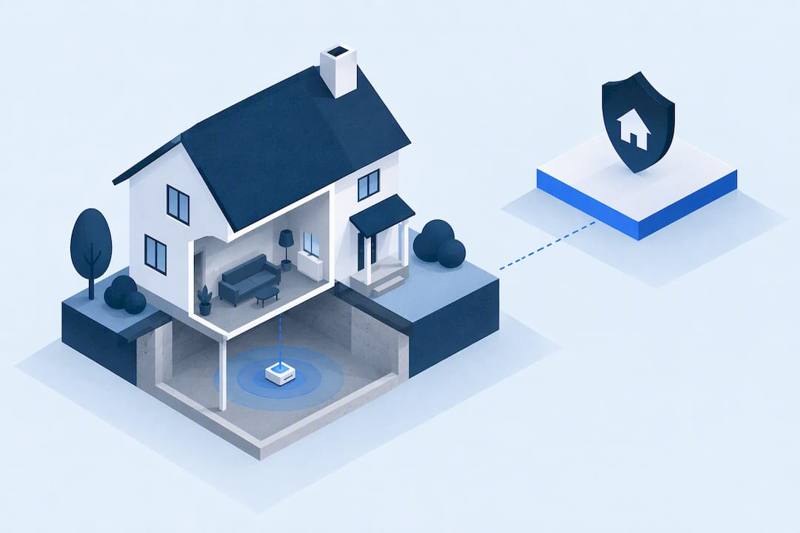
· 7 min read
Radon Has No Smell: What Homeowners Should Test For at 4.0 pCi/L
Radon has no smell. Learn where and how to test, why 4.0 pCi/L is the EPA action level, and the practical mitigation steps or when to hire a pro.
Read article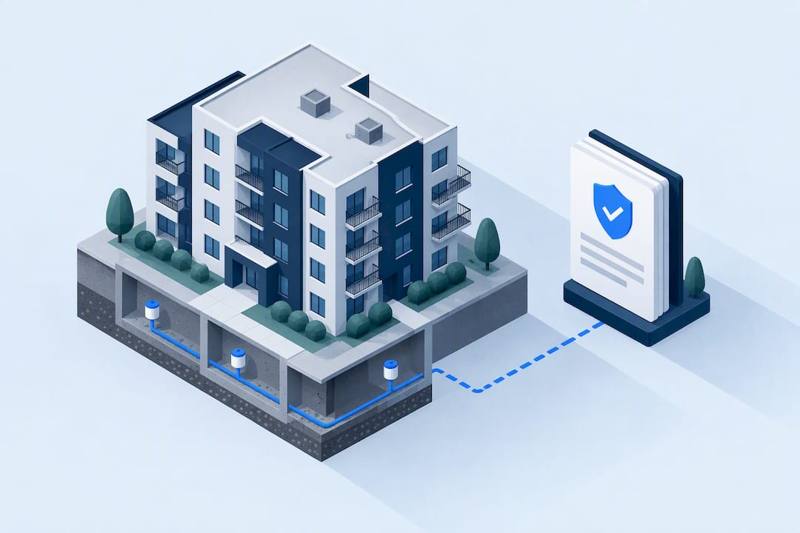
· 12 min read
Avoid Underwriting Delays: Radon in Apartments for Multifamily Owners
A compliance checklist for multifamily owners and lenders: sampling math, HUD/ANSI standards, mitigation design, and verification at 4.0 pCi/L.
Read article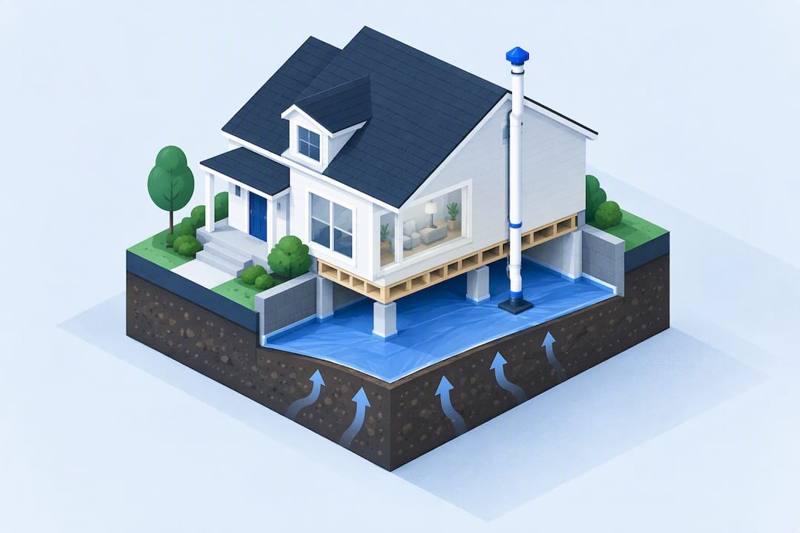
· 12 min read
Cut Crawl Space Radon Below 4.0 pCi/L for Homeowners With Verified SMD
Sub membrane depressurization is the proven crawl space radon fix. Read site specific design and why post install verification matters.
Read article
Find out where your home actually stands
Describe the house and we will put a written figure to it. No deposit, no pressure, and no obligation to go ahead.