
Blog
Discover our latest articles and blogs

ANSI/AARST Radon Standards: What Each One Covers
A plain guide to ANSI/AARST radon standards: which one covers testing, mitigation and new construction, whether they're required, and what to ask a contractor.
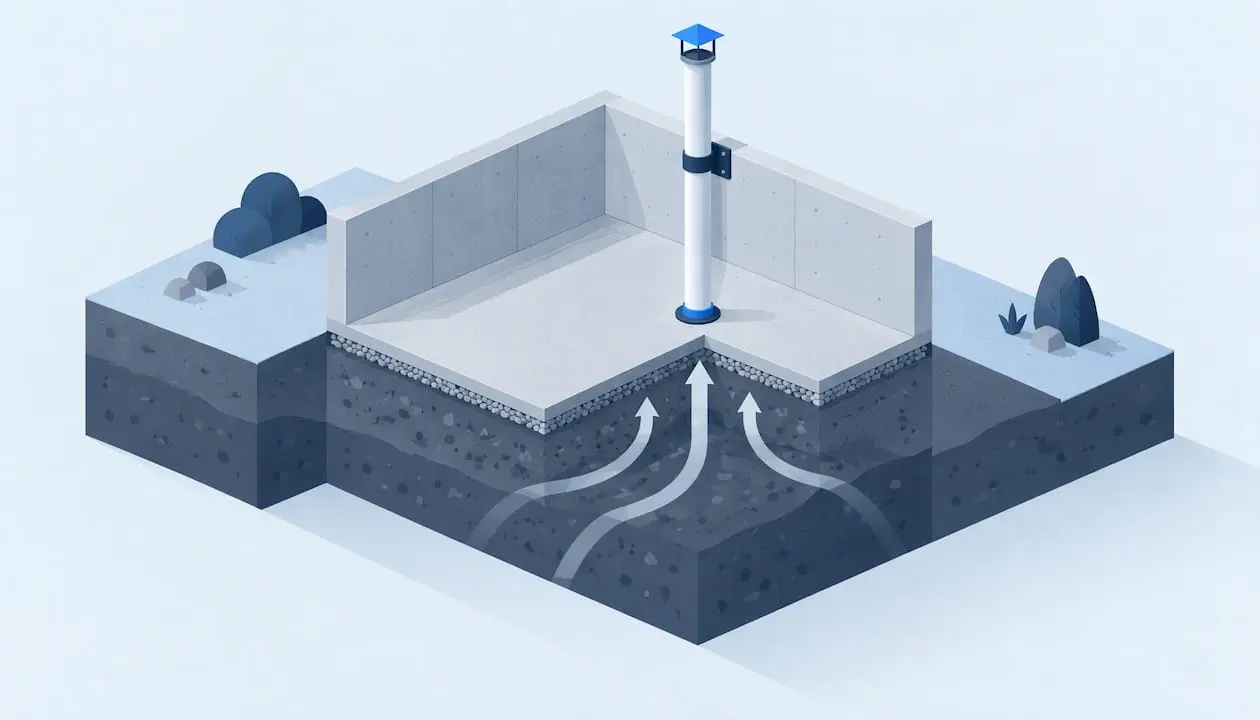
Radon in Basements: Why It Collects There and How to Fix It
Why radon concentrates in basements, how to test, and how a mitigation system works, including sump pit sealing and covers, for Cincinnati-area homeowners.

How to Fix High Radon in Your Home: Steps and Results
Got a high radon result? Learn the retest rules, how a mitigation system lowers radon, what levels to expect afterward, and what to do if it stays high.

Radon Pipe Size: When 3-Inch Is Enough and When to Use 4-Inch
Most radon systems use 3- or 4-inch Schedule 40 PVC. See what the standard requires, when 4-inch pays off, and how slope, routing and termination affect the result.
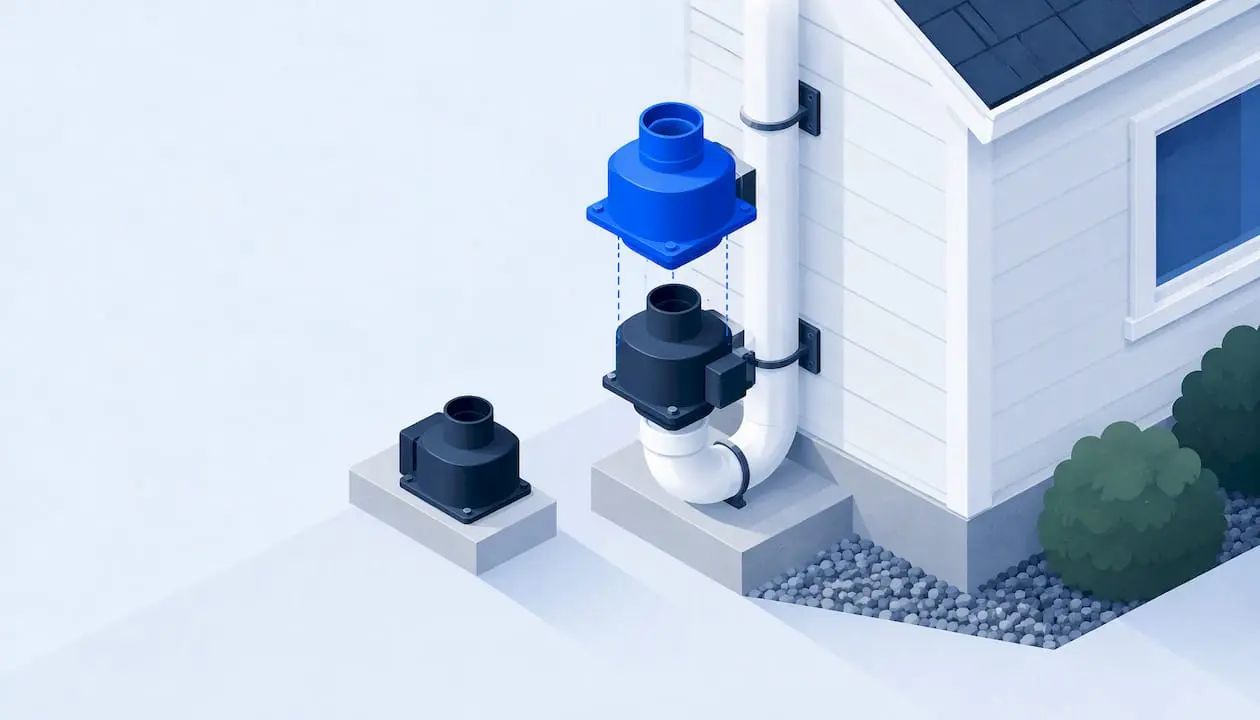
Radon Fan Replacement: Cost, Signs, and When to Call a Pro
Radon fan replacement explained: how long fans last, what it costs ($200 to $350 per EPA), how to choose a match, and when to hire a pro in Cincinnati.

Radon Test Placement: Where to Put Your Test in the Home
Where to place a radon test or monitor: which level, how high, how far from windows and walls, and which spots to avoid, based on the ANSI/AARST standard.

Radon in Schools: Risks, Testing and Ohio Rules
What radon in schools means for students and staff, how EPA says to test classrooms, what a 4 pCi/L result means, and where Ohio's rules and proposed law stand.
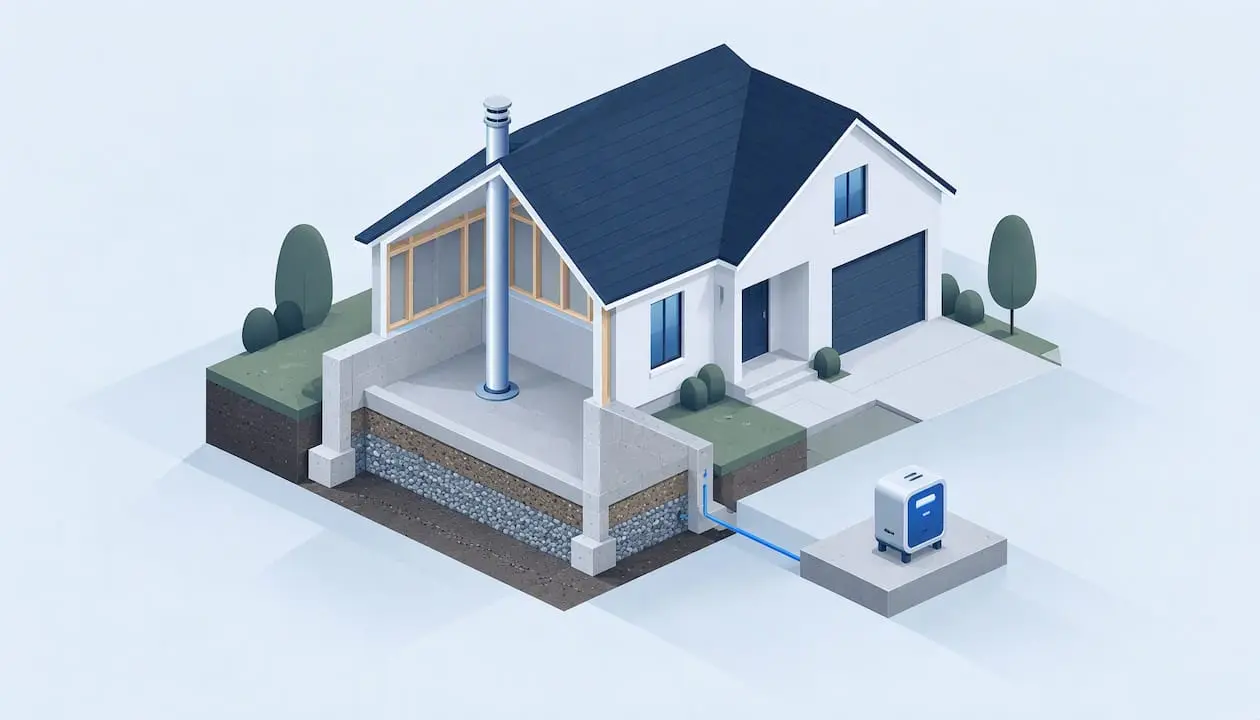
New Construction Radon Testing: When, How and What to Do
Radon-resistant features don't replace a test. Learn when to test a new home, how slab-on-grade testing works, what 4 pCi/L means and what to do if it's high.

Radon in Condos: Risk, Testing, and Who Fixes It
Radon in condos is real, even above the ground floor. Learn how to test a unit, read results, and work with your association on mitigation in Cincinnati.